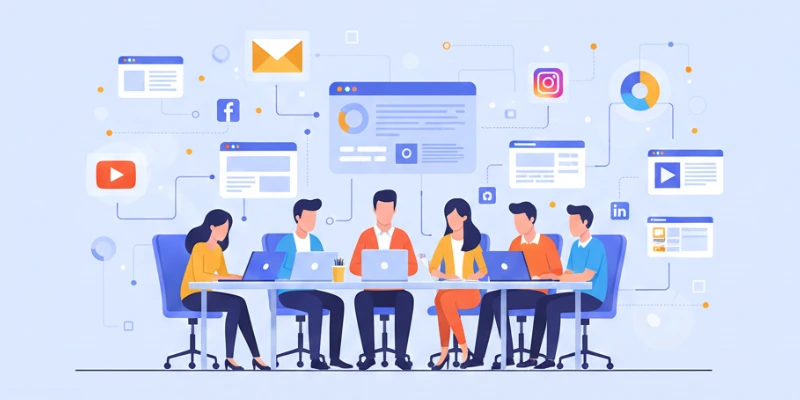
Integrated digital marketing consolidates all online channels to deliver a seamless and cohesive experience for customers. Instead of treating each platform as a separate effort, this approach connects strategies so that messages feel unified and purposeful. Understanding the fundamentals of integrated digital marketing is essential for businesses, and students can learn these skills effectively through a Digital Marketing Course in Mumbai at FITA Academy. Mastering these strategies helps build stronger brand visibility, improve engagement, and drive more conversions.
Creating a Unified Brand Message
A solid integrated strategy begins with a clear and consistent brand message. Customers should recognize the same tone, values, and identity across all digital touchpoints. When a brand maintains a unified voice on its website, social platforms, emails, and ads, it creates stronger trust and credibility. This consistency helps audiences remember the brand and understand what it stands for.
Developing a Multi Channel Approach
Integrated digital marketing works best when different channels support one another. A business might use social media to increase awareness, search engine optimization to draw in organic traffic, and email marketing to nurture leads. Each channel plays a specific role, yet all efforts move toward shared goals. When channels work together, marketing becomes more efficient and delivers better results. If you want to master these strategies, consider joining a Digital Marketing Course in Kolkata and start building your skills.
Strengthening the Customer Journey
A key part of integrated digital marketing is shaping a smooth customer journey. Visitors should easily move from discovering a brand to considering its solutions and eventually making a purchase. Clear calls to action, helpful content, and consistent follow up guide users through each stage. When the journey feels simple and connected, customers are more likely to stay engaged and return.
Using Data to Improve Performance
Data plays a major role in creating an integrated marketing strategy. Analytics reveal how customers interact with websites, ads, and social posts. This information helps businesses understand what works and what needs improvement. By reviewing performance regularly, teams can adjust content, target audiences more accurately, and refine their marketing flow. Data driven decisions create stronger, more effective campaigns. To gain hands-on experience with these techniques, you can take a Digital Marketing Course in Delhi and learn how to leverage data for impactful results.
Aligning Content Across All Channels
Successful integration depends on content that supports the same message on every platform. Each piece of content should match the audience’s needs while reflecting the brand’s identity. A blog post can lead to a social media update, which can then support an email campaign. When content aligns across channels, it reinforces key messages and increases visibility.
Encouraging Team Collaboration
Integrated digital marketing is most effective when teams work together. Collaboration between writers, designers, analysts, and strategists keeps campaigns organized and consistent. When everyone understands the goals and messaging, the final output becomes more polished and impactful. Strong teamwork ensures that every channel supports the same strategy.
Why Integrated Digital Marketing Matters
An integrated approach helps businesses create a strong and memorable presence online. It reduces confusion for customers, improves brand perception, and increases the chances of converting leads. By building a unified message, connecting channels, aligning content, and using data wisely, companies can create a powerful digital marketing system that feels cohesive and effective. To develop these skills and apply them in real-world scenarios, consider enrolling in a Digital Marketing Course in Jaipur and enhance your expertise in integrated marketing strategies.
Also check: The Impact of Cookie-less Tracking on Paid Ads